CREATOR
choreographic work based in an archival approach
My Fatal Flaw
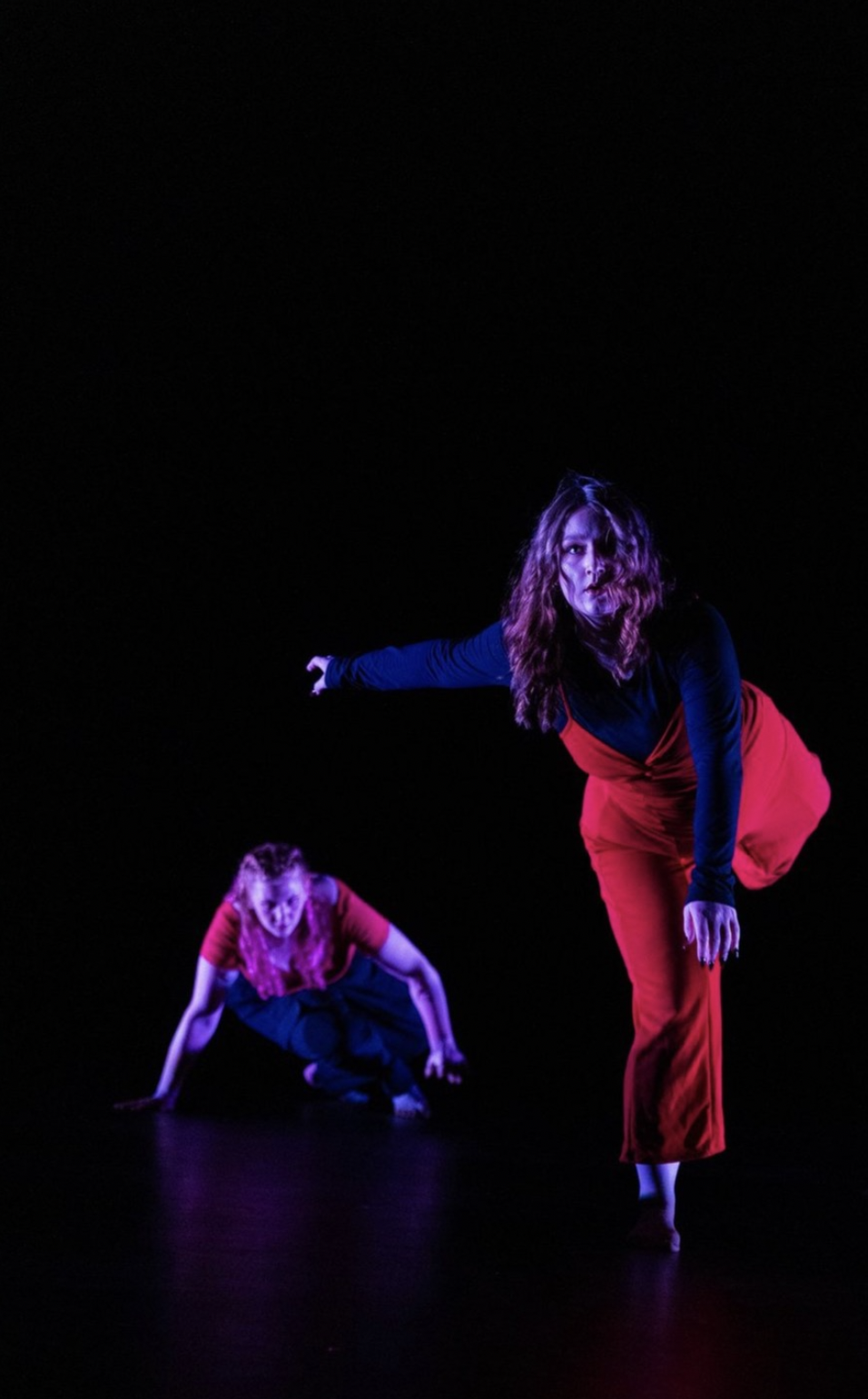
My Fatal Flaw explores the role of human error in research. This work is an artistic confession of my own past academic missteps, but it is also a reminder that mistakes are part of the research process and the human experience. In this technological age, I grapple with the idea that human errors may be eradicated by tools such as artificial intelligence, and that the inhuman research age we may one day step into could go mistake-free. While I struggle with the errors I have made in my own research, I am grateful for the representation of human nature in my work, and I question whether this Fatal Flaw is one I am willing to live with.
photo by Brandon Demery
The Passing People
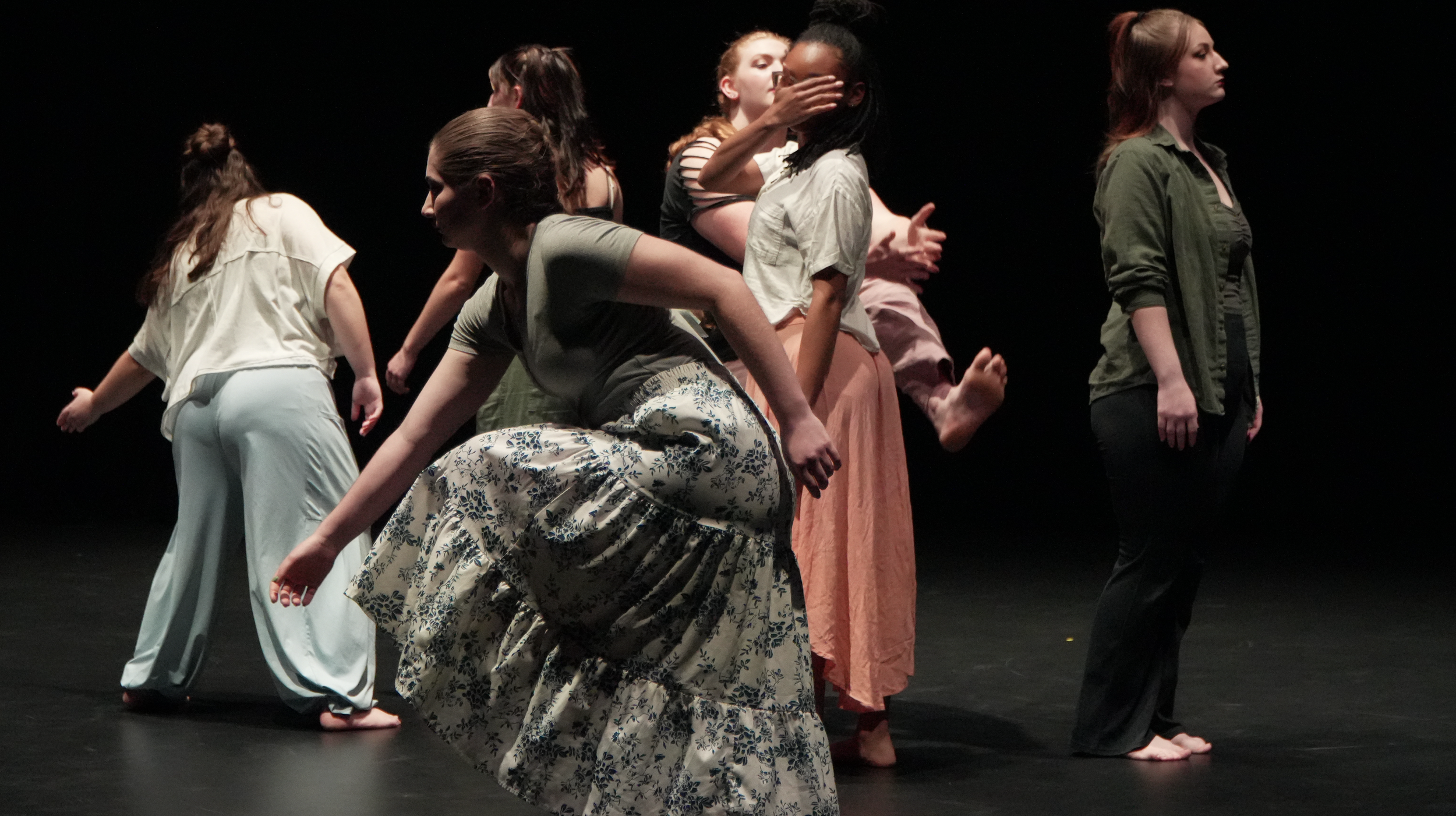
The Martha Blakeney Hodges Special Collections and University Archives holds MFA theses from the years 1951 - 1975. In reading these papers, I was inspired by the women who have come before me. Shirley Grey Roby’s 1957 thesis “The Passing Parade” stood out to me due to her perception of humanity in a train depot. In her work she analyzes people from different walks of life as they are compressed into a space with one another. I developed my piece in response to her concept as I feel it applies to the world today. Often people are focused solely on their own paths, desensitized to the individual struggles we all face. When placed into space with one another, I reimagined Roby’s work to show how individuals could find empathy for one another and perhaps once again find connection. In this work I aimed to reimagine what a piece of UNCG history could look like on the present-day stage. I create to challenge the notion of what separates archival research and movement development by bringing the written work of those who came before me into conversation with my embodied archive.
photo by Tiffany Hale
Women Have Ways
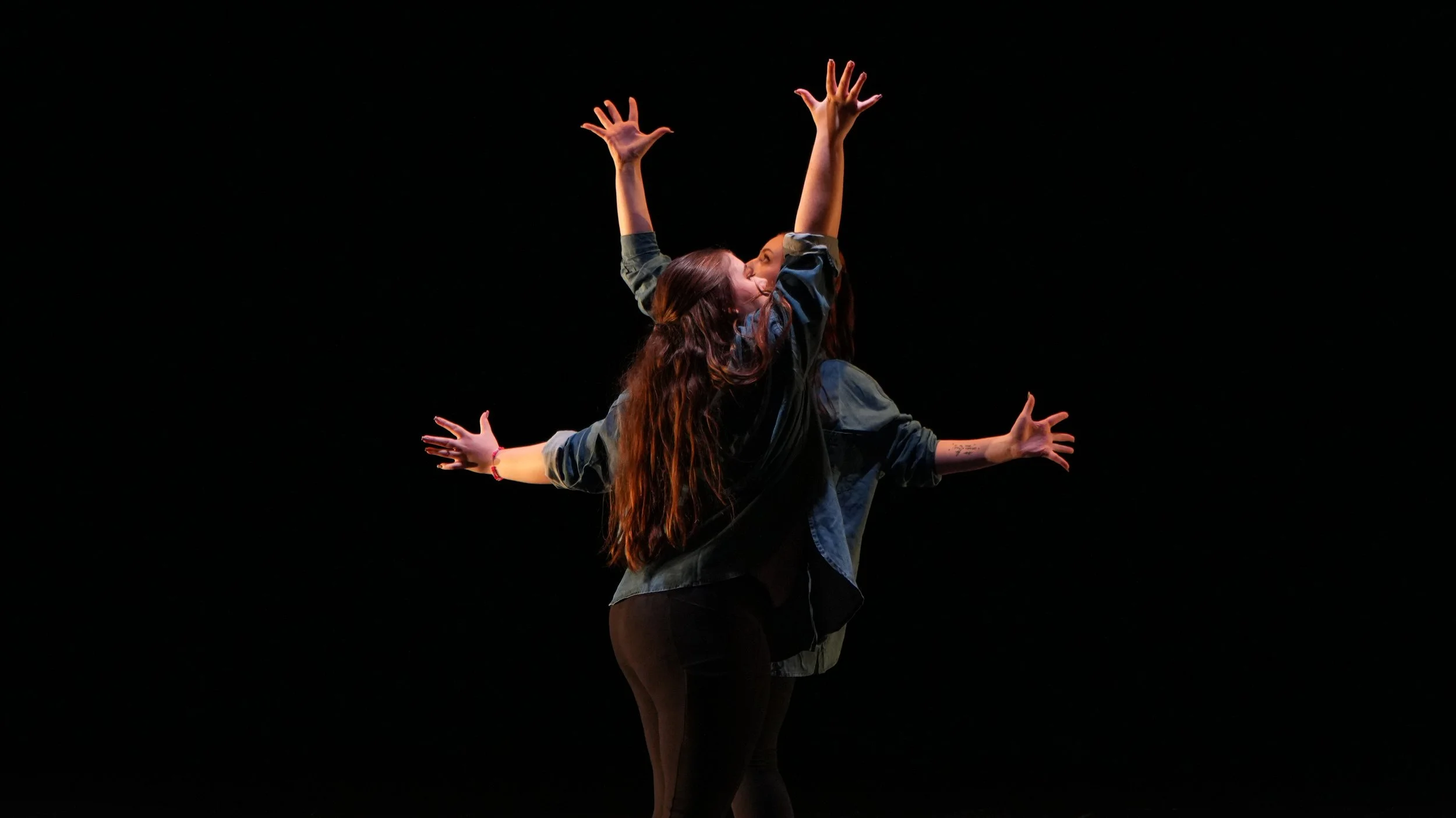
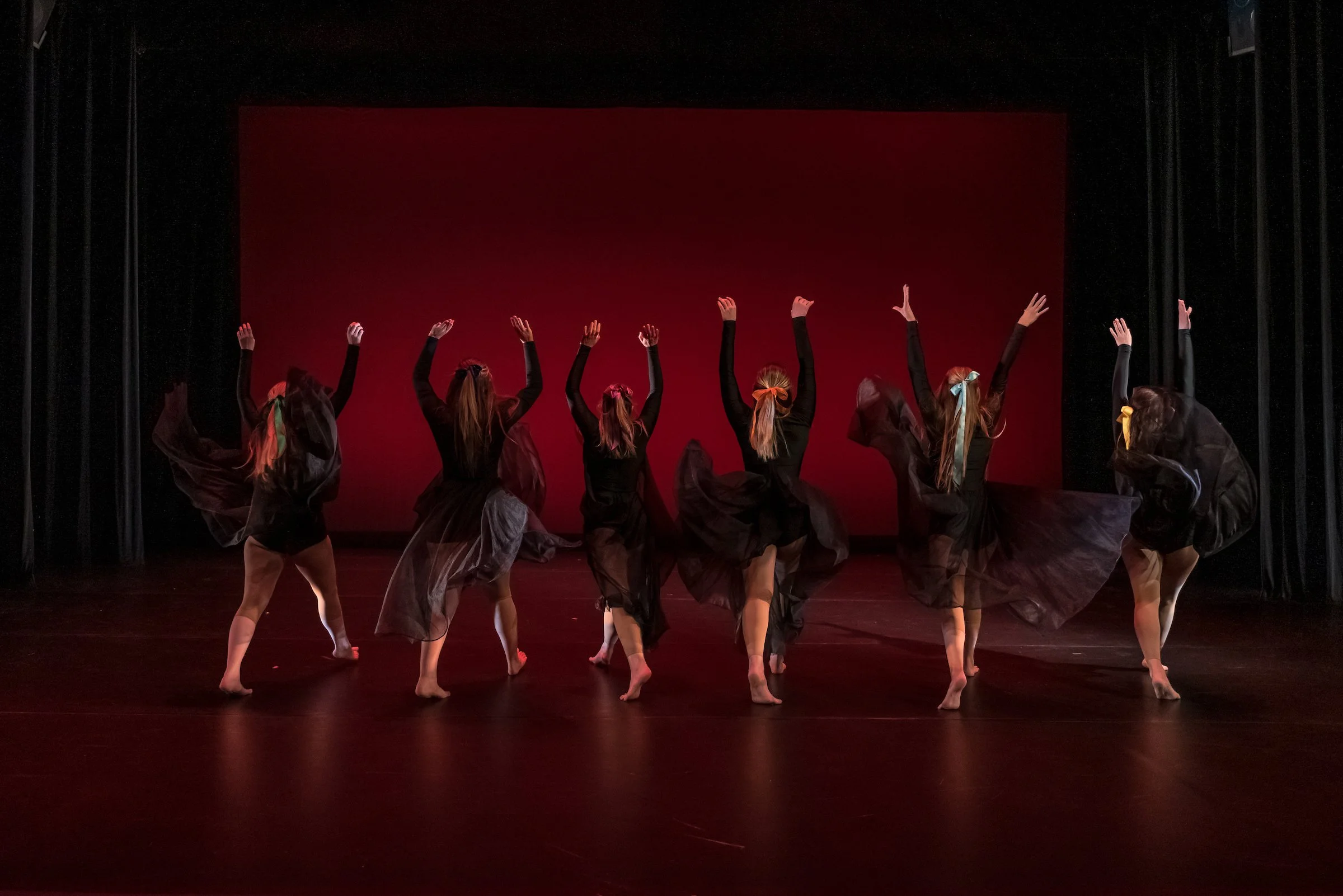
Women Have Ways is a piece that was inspired by one of the MFA theses held in The Martha Blakeney Hodges Special Collections and University Archives. Lula Margaret Wall’s 1957 thesis “Ways of Women” stood out to me due to her challenging of gender rolls within society and her hope for change to come in the future. I worked on this piece to be a reimagining of the work of Wall in 2025 where in the face of a tense political climate, the roles of women in the United States are continuously in question. The dancers represented these ideas as well as the conversation I felt was taking place between myself and Wall through the choreographic development and the reading of her thesis. This was a preliminary exploration into developing choreography from a researched archival perspective.
photo by Tiffany Hale
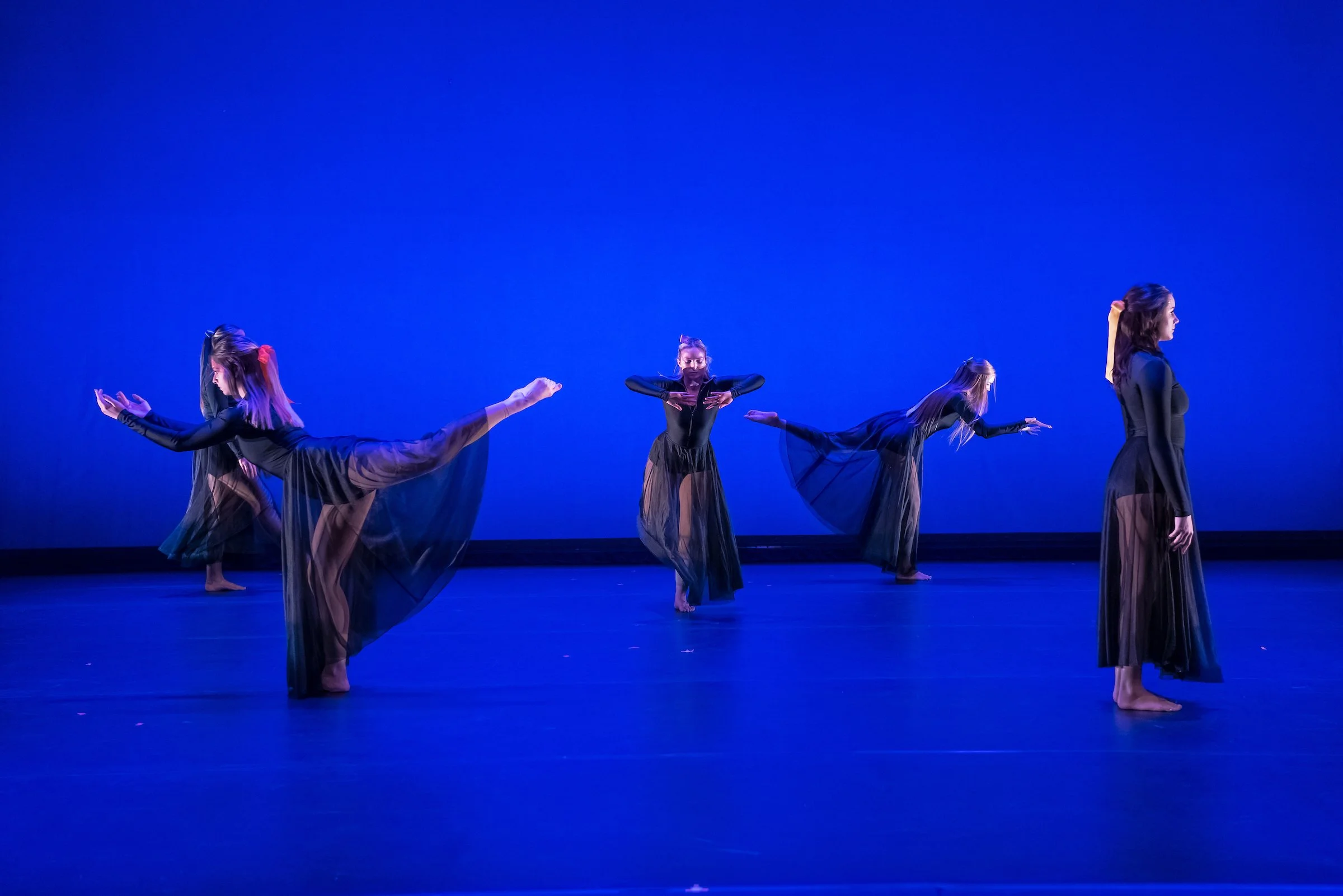
top and bottom photos by Lynn Willis, courtesy of the Appalachian State University Department of Theatre and Dance